SEPTEMBER 10 2026
JESSICA ALLEN
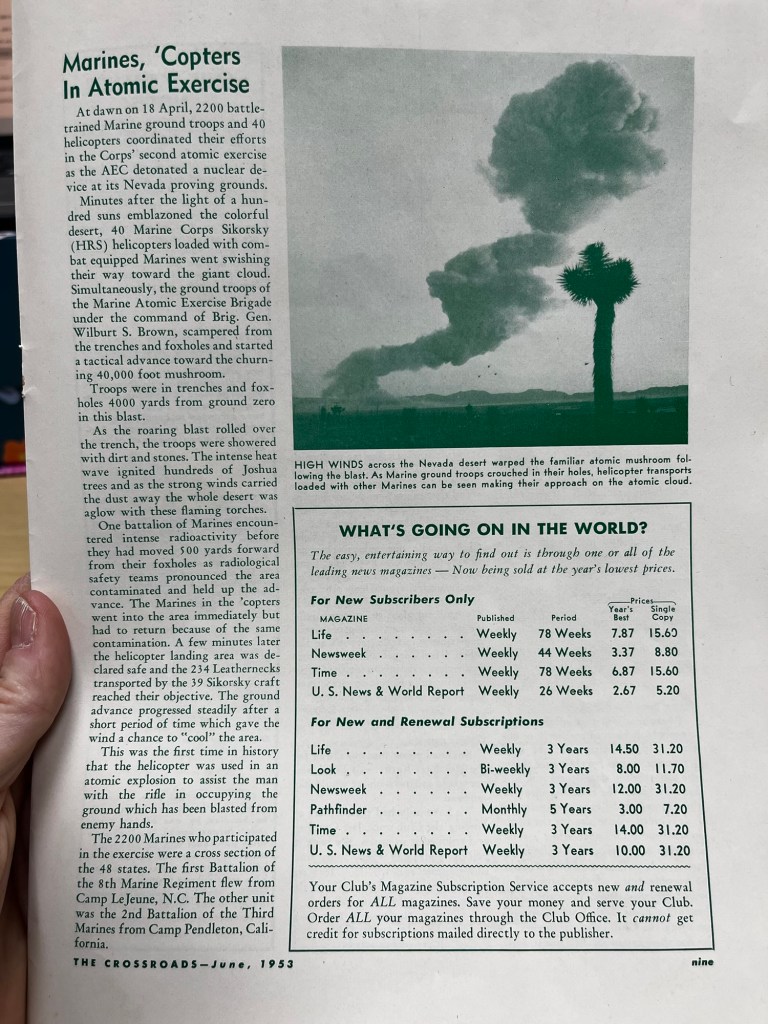
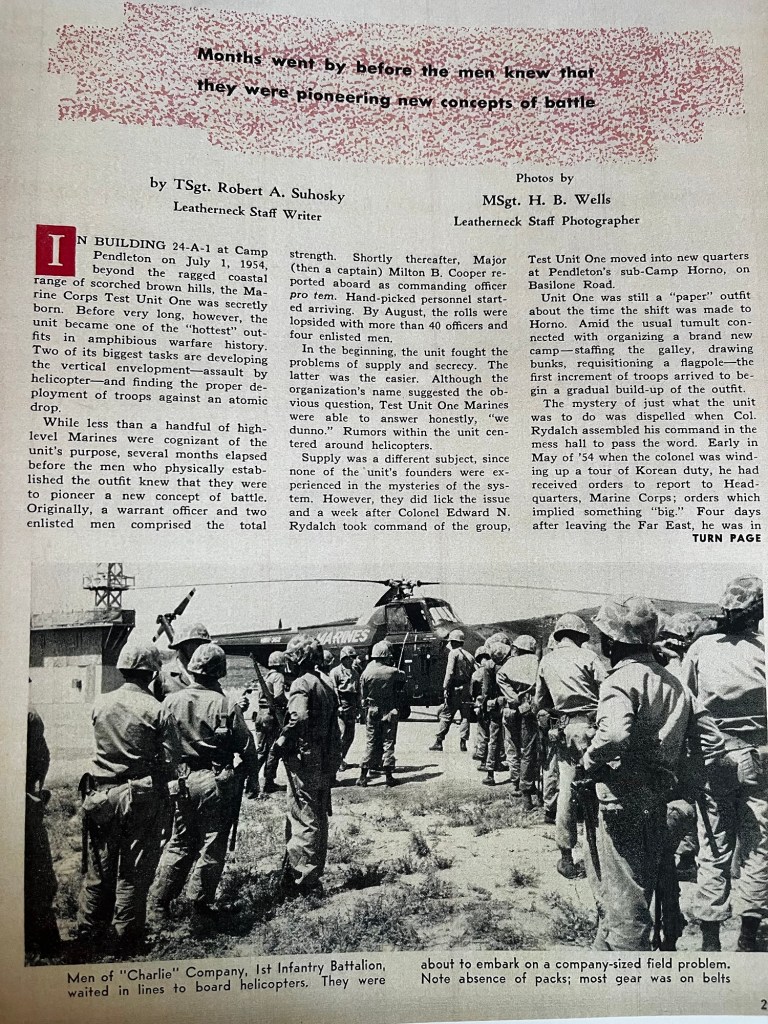
During the mid-20th century, the U.S. military routinely cross-contaminated its personnel. Troops stationed at Marine Corps Base Camp Lejeune in North Carolina were frequently cycled through volatile training programs. This included deployments and mandatory assignments to live atomic blast zones in the Pacific or the Nevada Test Site. As documented in historical articles from The Camp Lejeune Globe and Leatherneck Magazine, East Coast Marines were systematically introduced to the nuclear battlefield through the Exercise Desert Rock maneuvers. Camp Lejeune sent massive echelons of enlisted men directly under the mushroom clouds of the Nevada Proving Grounds. During Operation Tumbler-Snapper in May 1952, Camp Lejeune assembled and deployed the 2nd Provisional Marine Atomic Exercise Battalion. Alongside a West Coast contingent, a heavily recorded workforce of approximately 1,950 Marines—including roughly 1,000 Lejeune infantrymen from Fleet Marine Forces Atlantic—crouched in five-foot-deep trenches just 4,000 yards from ground zero. Following the detonation of a 19-kiloton weapon, these men were ordered to march directly toward the blast zone, blind to the radiation levels that ultimately forced officers to halt the advance. The following year, during Operation Upshot-Knothole, a reinforced contingent of approximately 2,000 Lejeune Leathernecks from the 1st Battalion, 8th Marines flew from Cherry Point to Desert Rock. Prominently detailed in The Globe under headlines like “Division Gets Atomic Fission Vision,” these men underwent a mandatory atomic baptism of fire, positioned in the desert as an active maneuver force to witness an internal tactical explosion before conducting simulated ground assaults.
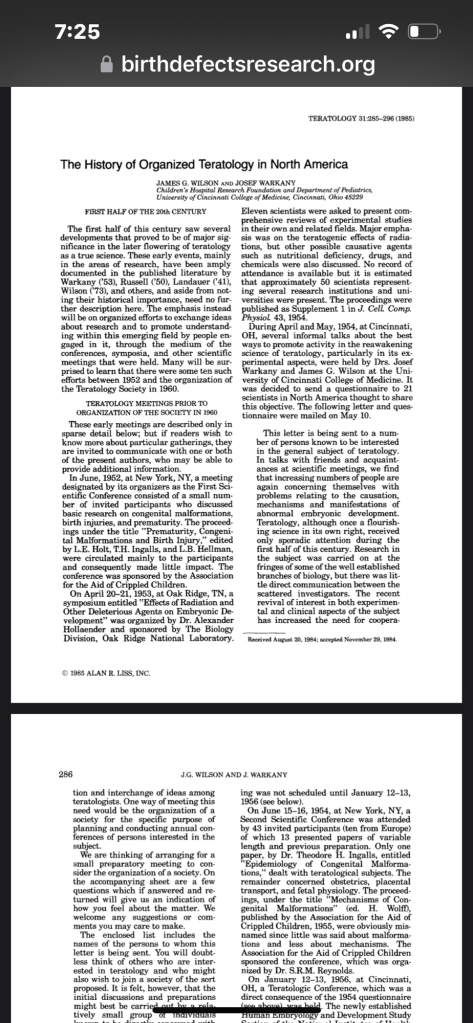
Beyond the widely recognized desert tests, Camp Lejeune personnel were quietly deployed to evaluate the naval and amphibious dimensions of the nuclear arsenal. Marines from Lejeune were regularly assigned to naval task groups to test atomic components and tactical delivery systems directly in the Atlantic Ocean, assessing how maritime environments affected blast hardware. Simultaneously, this secretive logistics network heavily relied on personnel from Marine Corps Base Quantico. Marines stationed at Quantico were detached to serve as highly vetted couriers for live atomic warhead parts and weapon components, tasked with transporting fissile material between manufacturing sites, national laboratories, and staging bases. Furthermore, Quantico men were deployed to guard heavily classified atomic machinery, assembly facilities, and specialized testing hardware—ensuring absolute secrecy while remaining entirely unprotected by radiation monitoring equipment or safety tracking protocols.
Film documenting abuses at Edgewood Arsenal
https://youtu.be/qU7ra6HdH8E?is=lrgYUun6fmljqMo8
The tentacles of this clandestine weapons-testing apparatus extended far across a vast matrix of highly specialized installations, routinely trapping Marines in unrecorded human experimentation pipelines. Personnel were transferred into classified projects at Edgewood Arsenal, where thousands of service members were exposed to chemical agents, blistering mustard gas, nerve agents, and psychoactive compounds to test incapacitation thresholds without their informed consent. Others were dispatched to or directly impacted by logistics hubs like the Fernald Feed Materials Production Center, an industrial processing plant that secretly flooded its surrounding environment with thousands of tons of radioactive uranium dust, contaminating the soil and nearby water tables. Marines were also rotated through installations like Fort Meade, which served as a highly locked-down hub for secure signals intelligence, mechanical operations, and the tracking of experimental atomic hardware. Whether sent to these specialized facilities or stationed at adjacent atomic, biological, and chemical weapons centers, these men operated in a meat grinder of toxic exposures, tracking materials and consequences that the state was already actively calculating how to erase.
When viewed through the least favorable and most critical historical lens, the spatial architecture of modern state installations reveals a calculated logic: isolating a captive population to optimize institutional control, observation, and industrial utility. In Nazi Germany, this methodology was pushed to its absolute extreme through a symbiotic alliance between the SS and industrial titans like I.G. Farben. Concentration camps like Auschwitz III (Buna-Monowitz) were deliberately engineered and geographically positioned near manufacturing hubs to seamlessly funnel human beings into corporate pipelines—serving simultaneously as expendable slave labor and a readily available supply of biological test subjects for pharmaceutical firms like Bayer. When applying this same deeply cynical framework to the mid-century American military apparatus, sprawling, self-contained installations like Camp Lejeune and Camp Pendleton can be construed as structural parallels. Under the total legal and physical custody of the state, these massive, isolated training grounds operated as insular, closed-loop ecosystems where the human element could be treated as a controlled institutional variable, shielding the wider public from the immediate fallout of experimental defense research.
This framework becomes particularly suspicious when analyzing the post-Korean War transition of American bases from austere, single-soldier barracks into comprehensive, family-centric miniature cities. Throughout the late 1940s, bases like Camp Lejeune were populated mostly by transient, single male service members. However, the timeline shifted dramatically between 1952 and 1953 when the military aggressively constructed sprawling domestic developments like Lejeune’s Tarawa Terrace housing complex, deliberately drawing thousands of wives, infants, and pregnant mothers onto the installations. This sudden domestic expansion was legally and institutionally codified by the Dependents’ Medical Care Act of 1956, which for the first time guaranteed uniform, government-funded medical coverage to military families. In the most critical light, this sudden rollout of free on-base housing and centralized maternal care can be viewed not as a benevolent morale booster, but as the systematic engineering of a highly insulated, legally captive pipeline of diverse human subjects. By aggregating infants, developing children, and pregnant women within a completely closed loop of military-controlled utilities and medical networks, the Pentagon and defense contractors gained unhindered access to track every imaginable biological demographic.
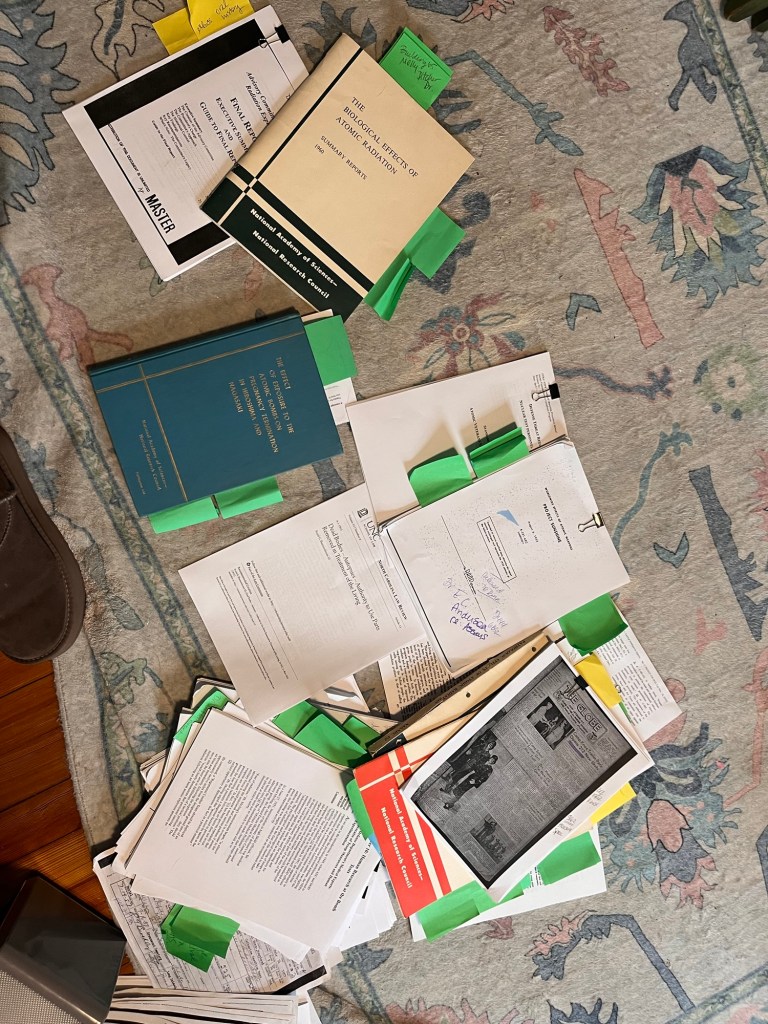
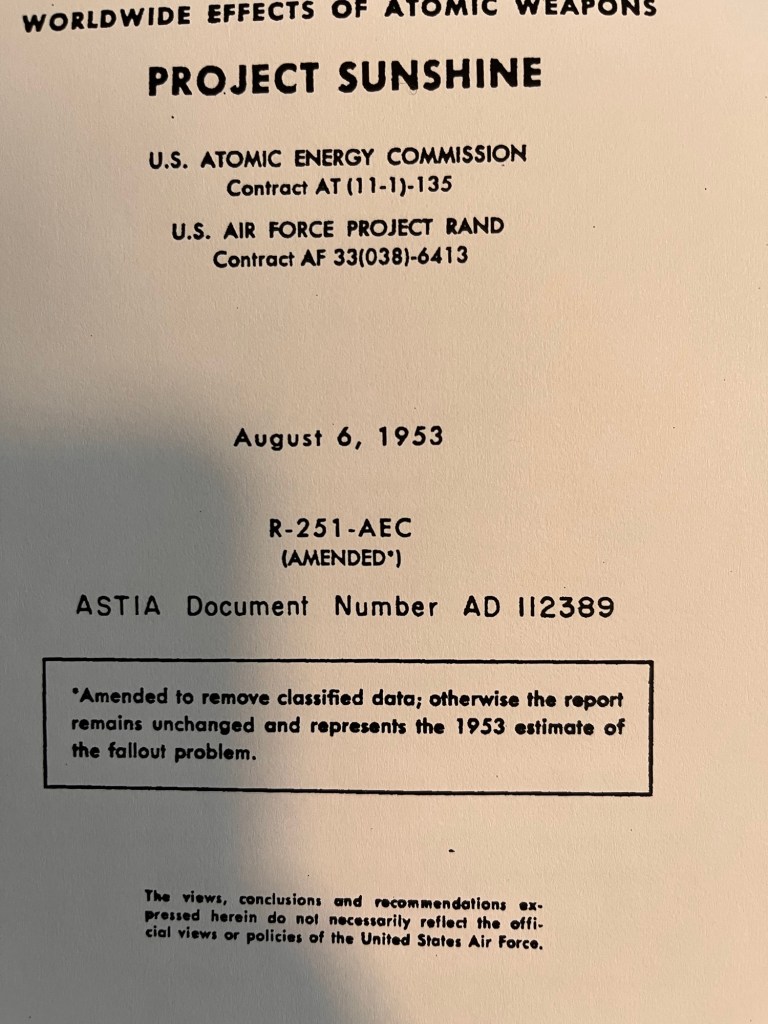
This demographic restructuring directly collided with a dark, parallel timeline of federal atomic experimentation and severe environmental contamination. In August 1953—the exact same year the military finalized the Tarawa Terrace housing complex and the Hogaboom Board began reshaping Marine doctrine for the nuclear frontier—catastrophic industrial chemical and trichloroethylene (TCE) poisoning was introduced into Camp Lejeune’s drinking water system. Concurrently, the Atomic Energy Commission was executing Project Sunshine, a secret, global bone-harvesting program tracking the biological uptake of radioactive Strontium-90, while Camp Lejeune’s own Naval Medical Field Research Laboratory (NMFRL) was actively utilizing an on-base incinerator and burying radioactive animal carcasses near the rifle range. Viewed through this conspiratorial framework, the introduction of dependent families transformed isolated training bases into vast, generationally tracked human laboratories. By trapping a complete, microcosmic society inside an environment plagued by radiological testing, secret fallout studies, and heavily contaminated water, the state was positioned to quietly observe the chronic biological thresholds of toxic and industrial exposure under the guise of providing social safety nets.
This matrix of human experimentation was deeply informed by the hidden architecture of Operation Paperclip, which imported sadistic former Nazi scientists, doctors, and chemical weapons experts directly into the U.S. military-intelligence complex after World War II, often under pseudonyms. These malignant individuals brought with them a profound disregard for informed consent and a clinical expertise in testing lethal thresholds on living subjects. Placed in senior research positions within Edgewood Arsenal, the Aerospace Medical Association, and elite research universities, these operatives helped design the very exposure protocols, chemical delivery pipelines, and radiological monitoring omissions that were subsequently weaponized against American servicemen. Their structural influence institutionalized a cold, clinical methodology where soldiers were viewed as data points, translating total environmental exploitation from wartime labs directly onto the training fields of Camp Lejeune.

This specific pipeline of deployment served as the primary cross-contamination mechanism for what historians label “Atomic Marines.” When these men returned to North Carolina, they were placed directly back into an environment where the drinking, bathing, and cooking water was heavily laced with industrial area degreasers, fuel leaks, and dry-cleaning solvents like trichloroethylene (TCE), tetrachleoethylene (PCE), and benzene at levels up to 3,400 times current safe limits. From a scientific standpoint, hitting a human body with ionizing radiation and then flooding that same biology with volatile organic compounds creates a devastating multiplier effect known as synergistic toxicity. However, federal researchers and military medical boards systematically isolated these groups into distinct silos. Epidemiological reviews looking at Camp Lejeune health studies were explicitly restricted from integrating outside radiological data. By ensuring that the one million people poisoned by Lejeune’s water and the nearly one million personnel tracked under radiation registries were treated as separate universes, the government prevented families from legally establishing the true, compounding cause of early mortality.
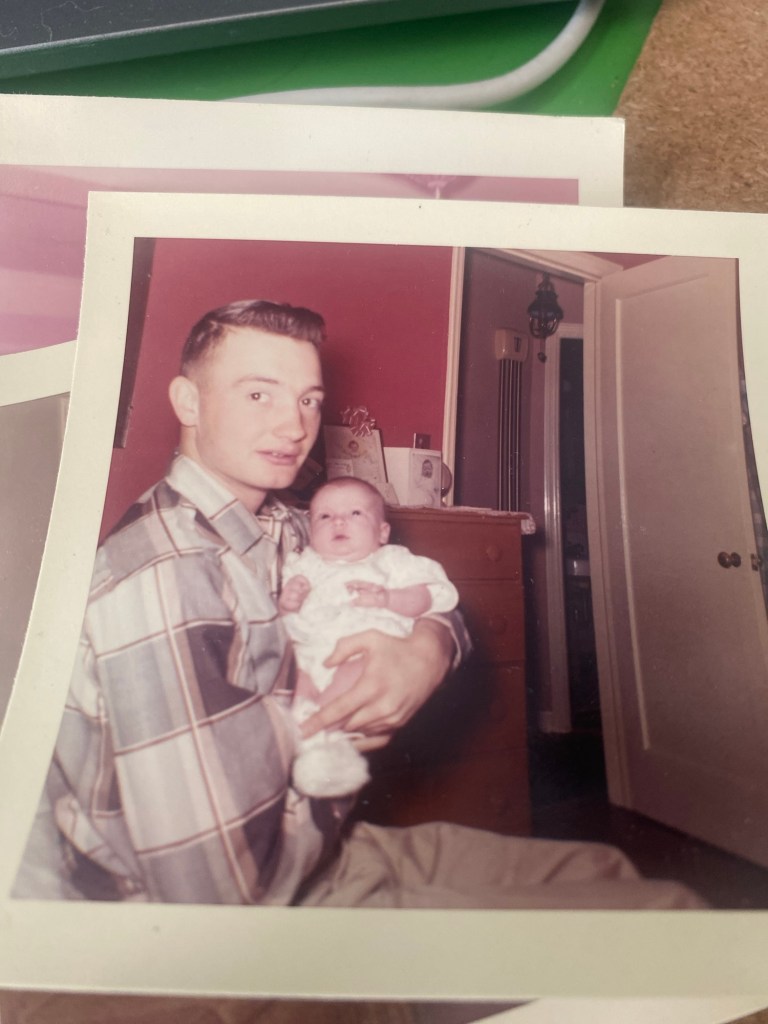
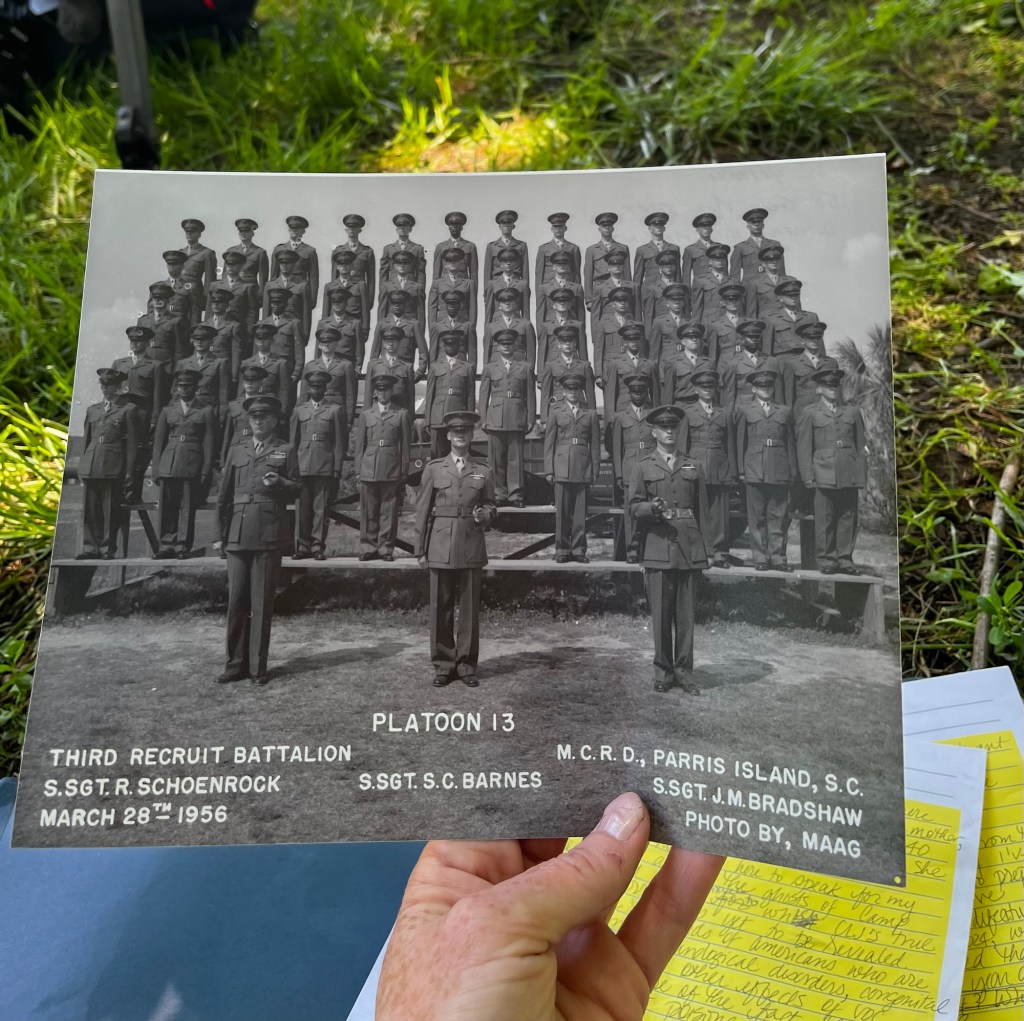
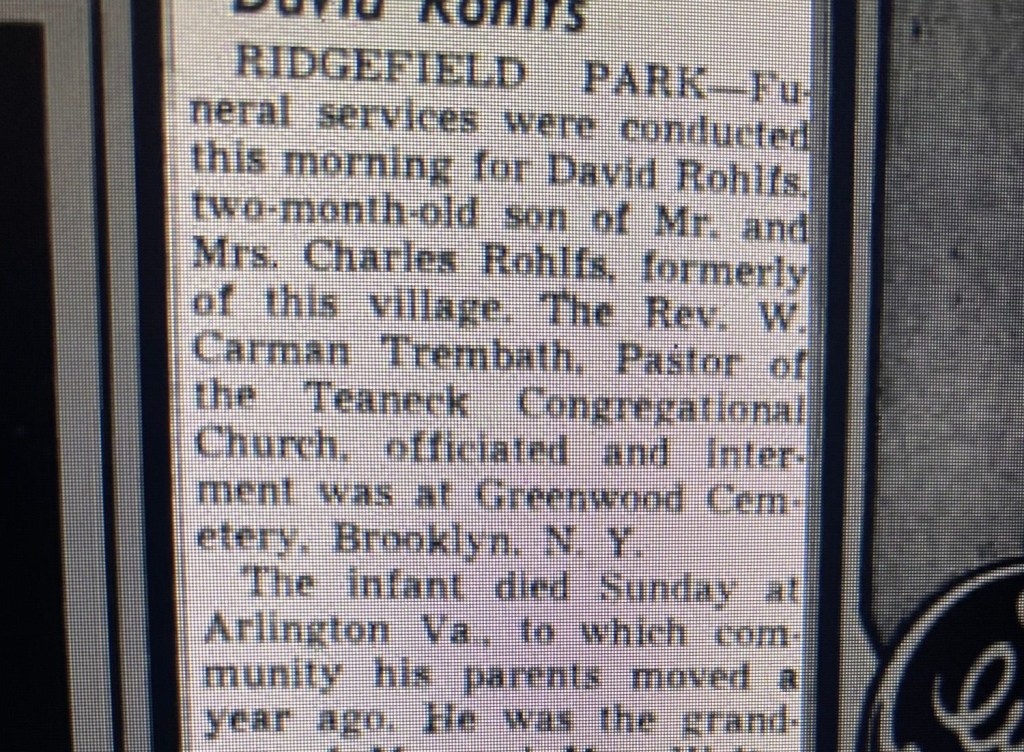
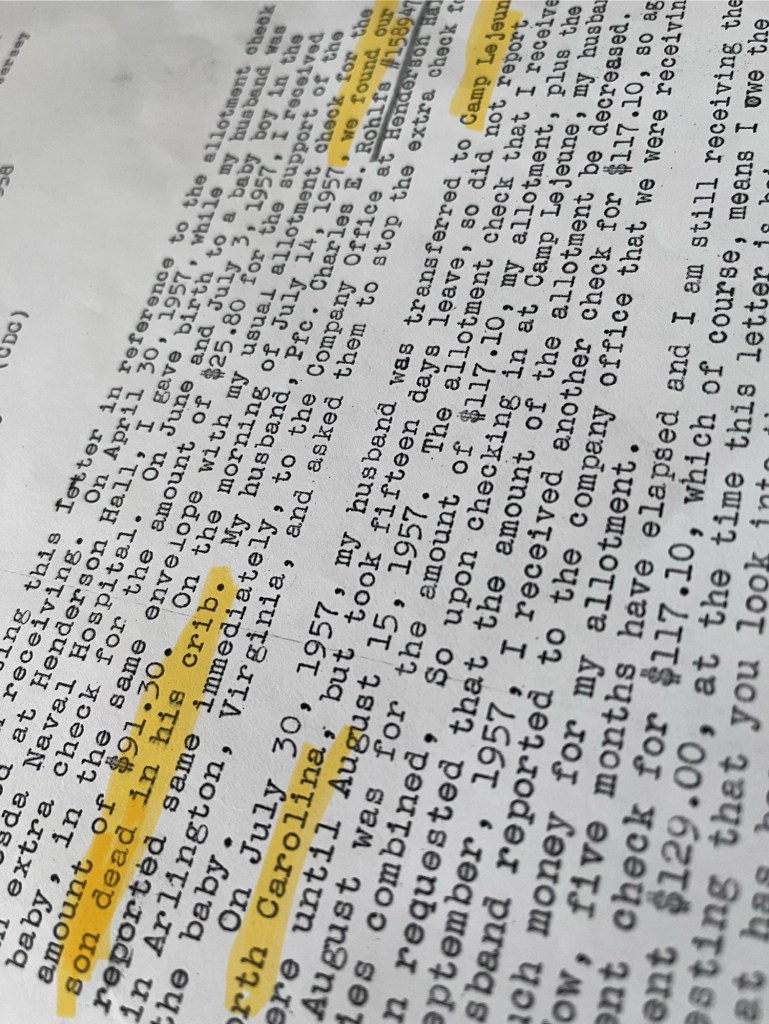
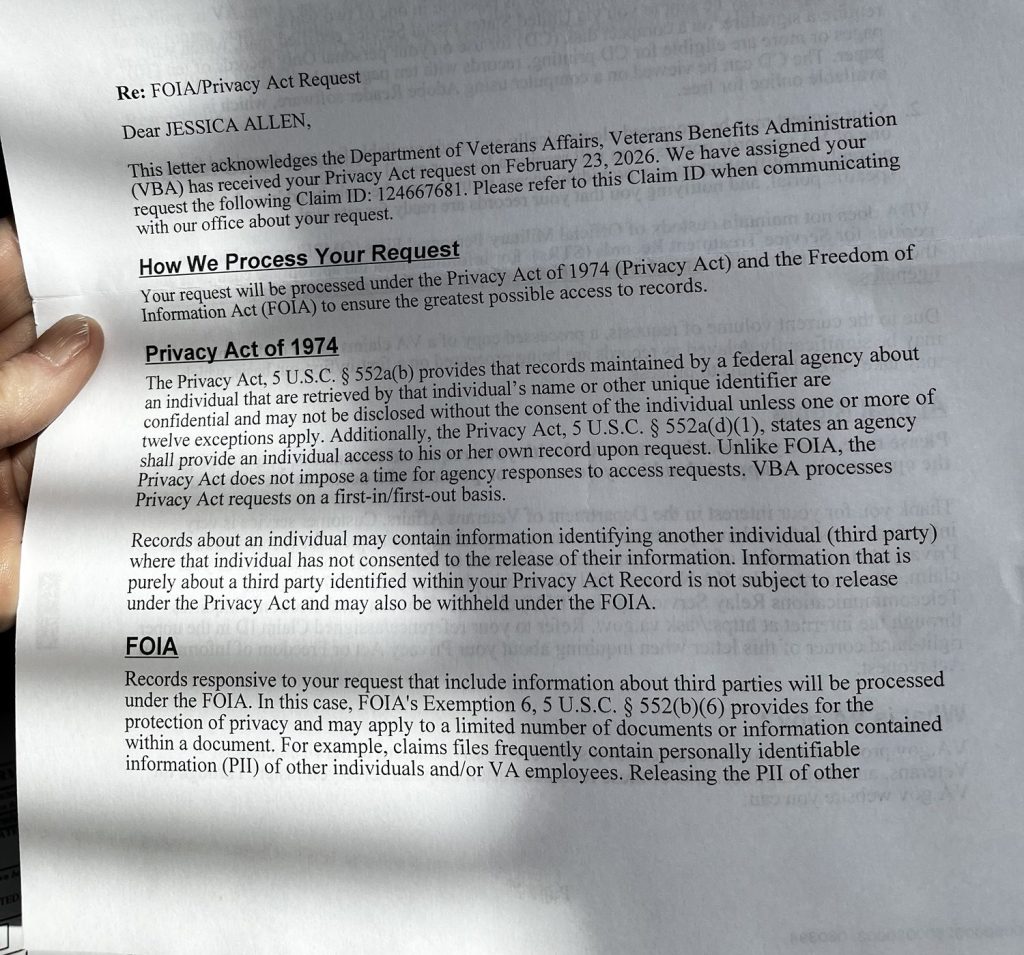
The structural concealment of these overlapping exposures is not a collection of abstract statistics; it is a timeline of generational trauma experienced by my own family. Between January 1956 and August 1957, a critical fourteen-month gap exists in my Marine grandfather’s official service timeline, during which his whereabouts are listed as entirely unknown. To peel back the layers of this localized classification block, we have been forced to submit dozens of FOIA requests over the last 30 months across an alphabet soup of stonewalling federal agencies, tracking a ghost trail of deployments intentionally stripped from standard muster archives. During this fractured period of unrecorded atomic deployments, my grandparents suffered a crushing, foundational tragedy when their first baby died in 1957 at just 14 weeks old. This devastating infant loss injected an immediate, profound layer of trauma and sadness into my family’s trajectory, serving as a dark precursor to the clusters of infant mortalities that would later define the residential quarters of Camp Lejeune.
Our individual tragedy is backed up by an inescapable, public paper trail. Independent researchers digging through North Carolina death certificates on Ancestry.com have uncovered staggering volumes of official records for infants born at Camp Lejeune during the 1950s, 60s, and 70s. The sheer density of these death certificates—many listing causes like anencephaly, severe congenital heart defects, and sudden systemic failure—corroborates the existence of what local families grimly named “Baby Heaven,” a cemetery section dominated entirely by the infants of poisoned service members. These public records prove that hundreds of babies were dying decades before the military officially admitted any toxic contamination was present in the base water lines.

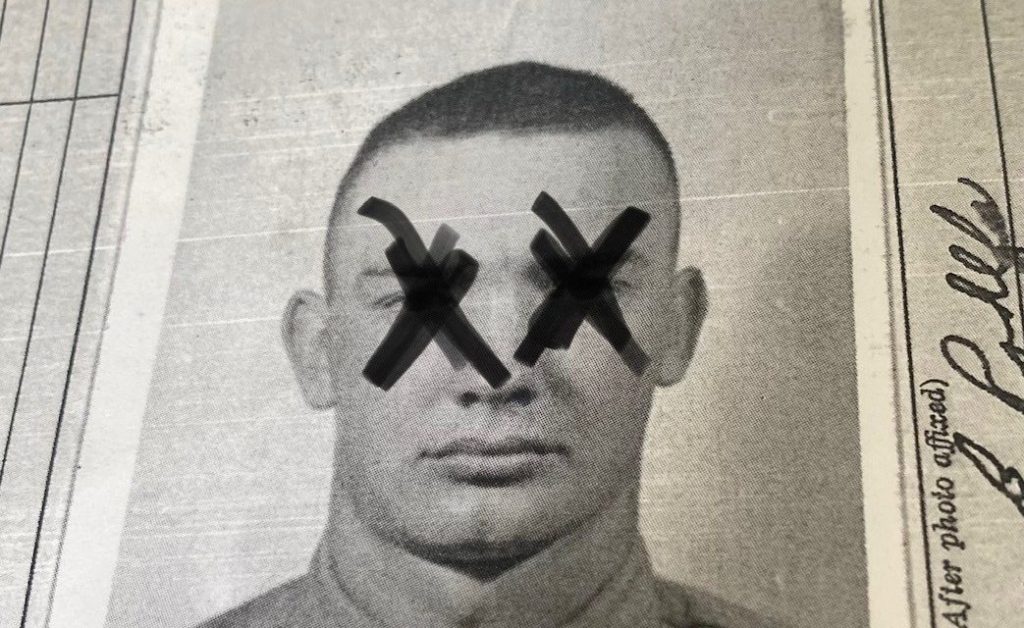
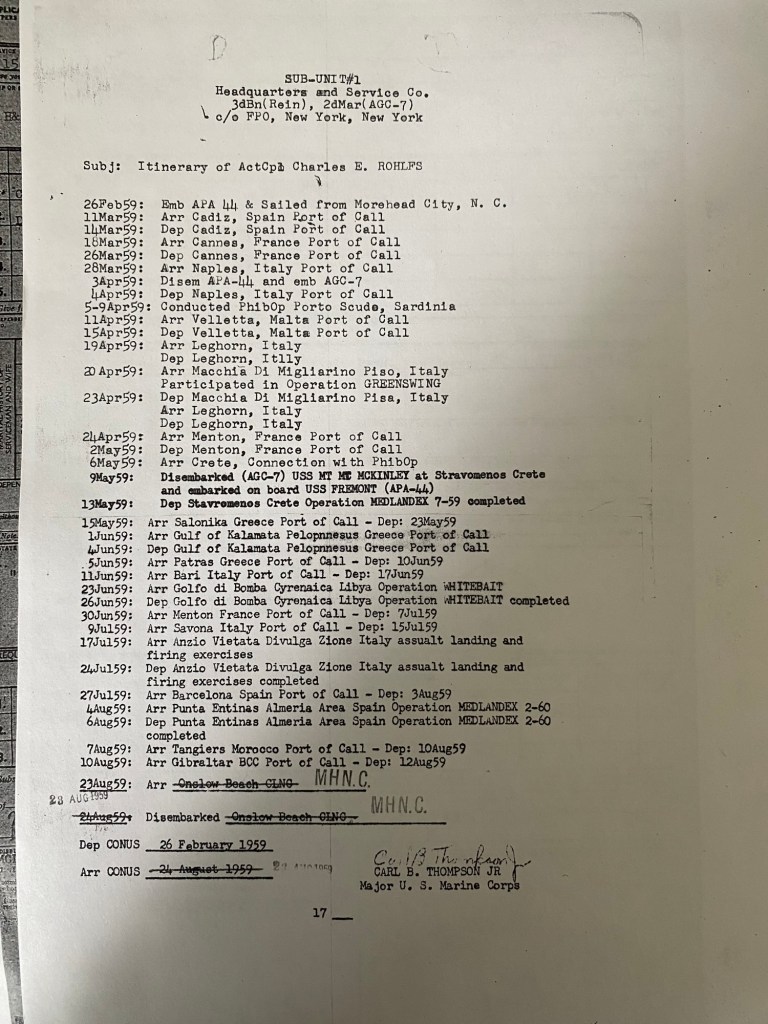
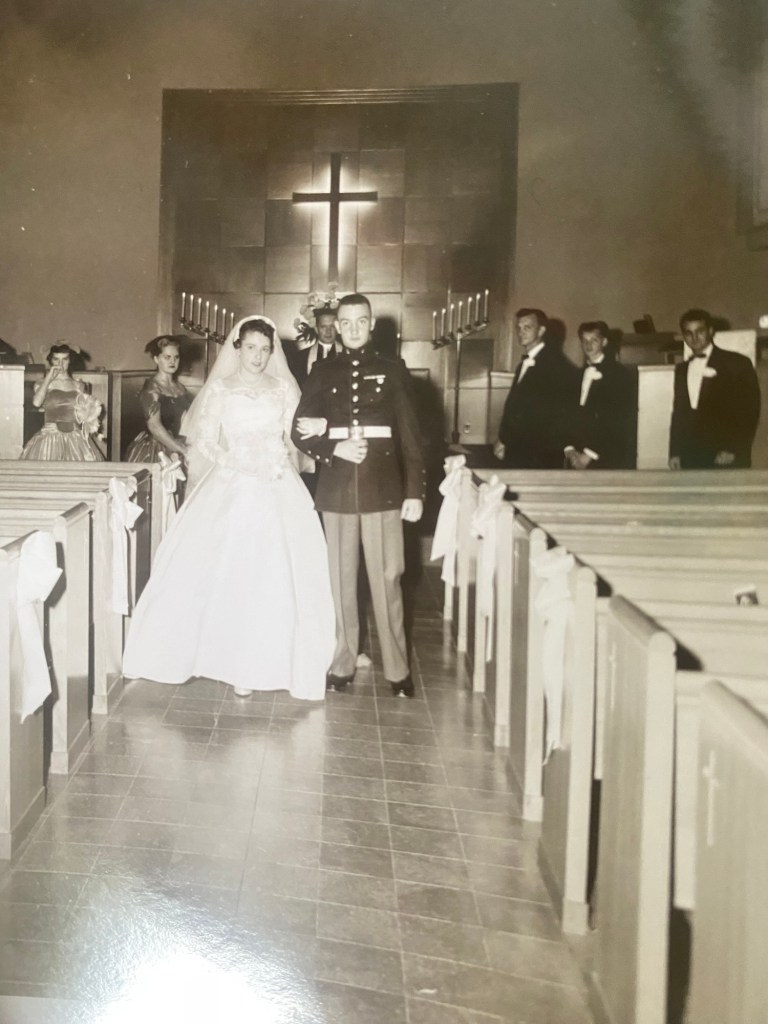
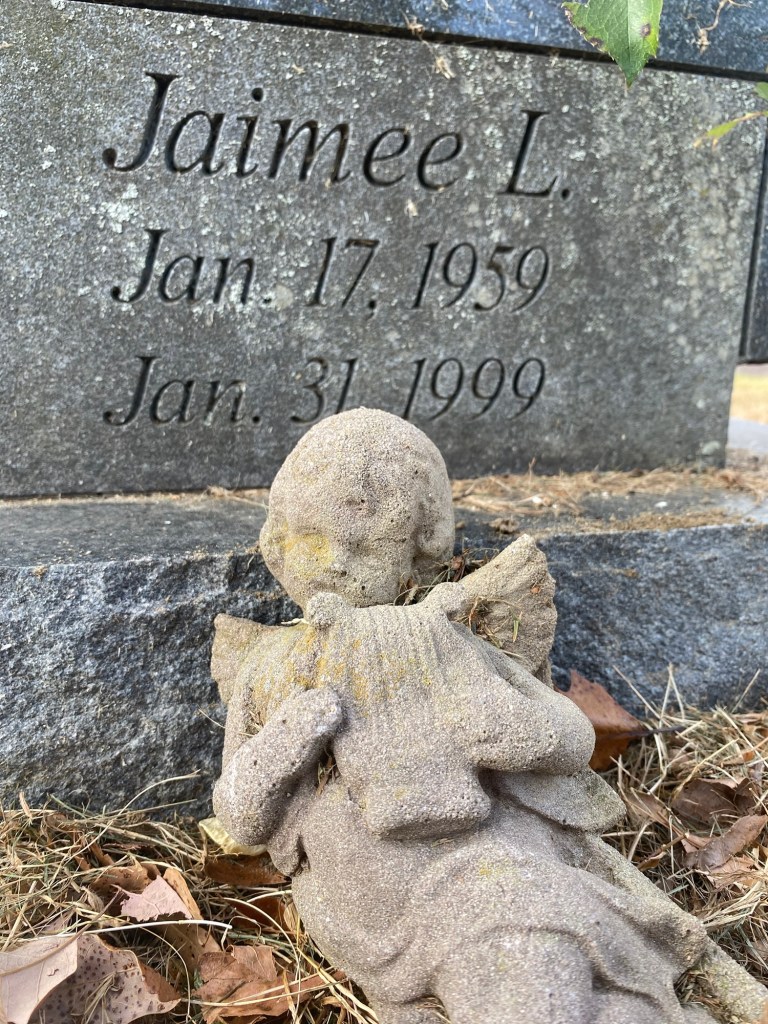
In August 1957, my Marine grandfather was officially transferred to Camp Lejeune, and he and his grieving wife were assigned base family housing in the Camp Knox Trailer Park. On January 17, 1959, their daughter—my mother, Jaimee, was born. Having sustained severe in utero exposure to volatile organic solvents like TCE and benzene at Camp Lejeune, her biological blueprint was permanently compromised from birth. Immediately following her birth, from February through August 1959, my grandfather was deployed on a Mediterranean cruise in support of the Beirut operation, serving as a wireman aboard the AGC-7, the USS Mount McKinley.
Marine Security Guards were sent to Ohio and other sites: https://time.com/archive/6713637/environment-they-lied-to-us/
Unbeknownst to the crew, the vessel had previously served as history’s most utilized flagship command ship for atmospheric nuclear weapon testing, dictating the frontline naval networks for Operation Crossroads (the catastrophic 1946 Bikini underwater blasts), Operation Sandstone (1948), and Operation Redwing (1956). The ship was inadequately deconditioned at the Hunters Point Naval Yard before being re-routed to the East Coast to transport troops. Radiological calculation models establish that the shipyard overhauls of that era were entirely insufficient to address deep structural contamination. The underwater atomic bursts of Operation Crossroads coated vessels in heavy fission and activation isotopes, most notably Strontium-90 (half-life of 28.8 years) and Cesium-137 (half-life of 30.1 years), which bonded permanently to the interior iron hulls, ventilation shafts, and seawater rust scale inside the piping. Standard health physics calculations dictate that a contaminated environment requires a minimum of ten half-lives to decay to background levels of relative safety—meaning the radioactive residue from those 1946 and 1956 blasts would require between 288 and 301 years of continuous decay before the vessel could be considered radiologically safe to occupy. When my grandfather lived and worked in the cramped, unventilated wire compartments of the Mount McKinley in 1959, the ship had been decaying for less than a single fraction of that timeframe, functioning as an active, floating radiation corridor.
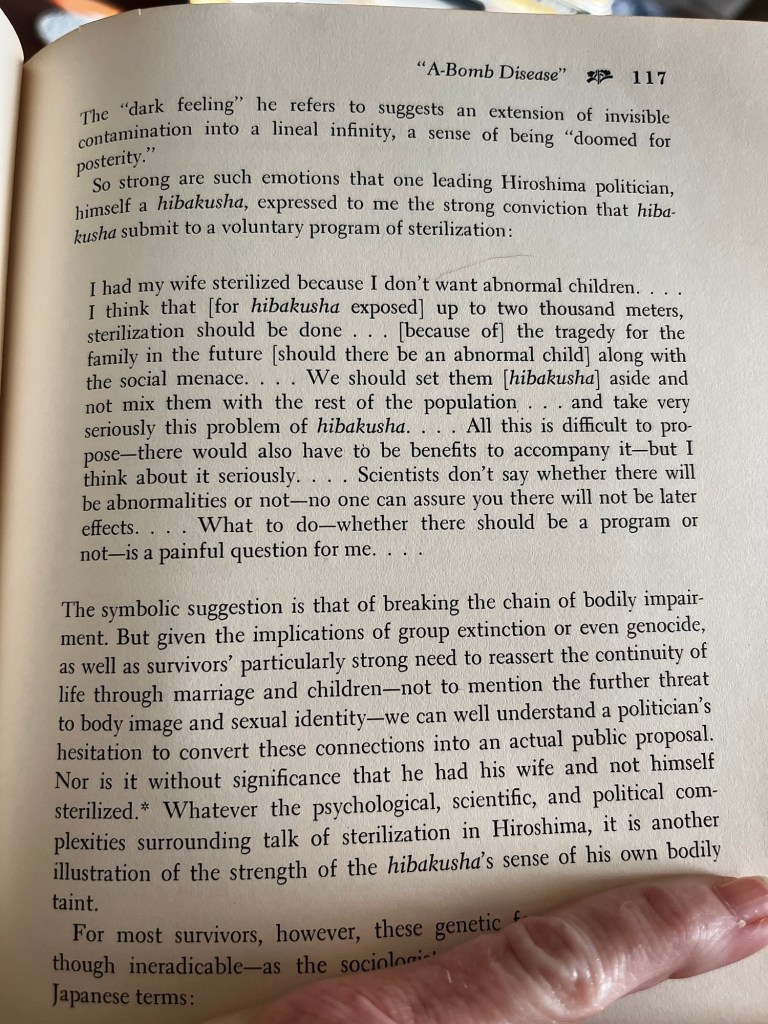
For the children and grandchildren of these Marines, this manufactured vagueness translates into an agonizing, multi-generational medical nightmare. Descendants frequently find themselves battling severe, rare health complications, autoimmune disorders, and reproductive issues, only to be met by a cold wall of silence from both the military and civilian medical practitioners. Because the military deliberately omitted these families from proactive outreach programs and restricted the historical record, civilian doctors lack the critical context needed to treat them. A physician diagnosing a 30-year-old descendant with a rare malignancy or a history of mysterious miscarriages looks only at standard genetic history. They have no way of knowing that the patient’s lineage was subjected to in utero chemical poisoning, structural housing fallout, and shipboard radiation. Left without answers, descendants are routinely gaslit by a healthcare system that dismisses their fears as genetic bad luck. They are left to inherit a legacy of fear, carrying an emotional and physical burden that feels like a ticking time bomb—all because the humans behind the institutional curtain chose to protect budgets and reputations over the genetic safety of American families.
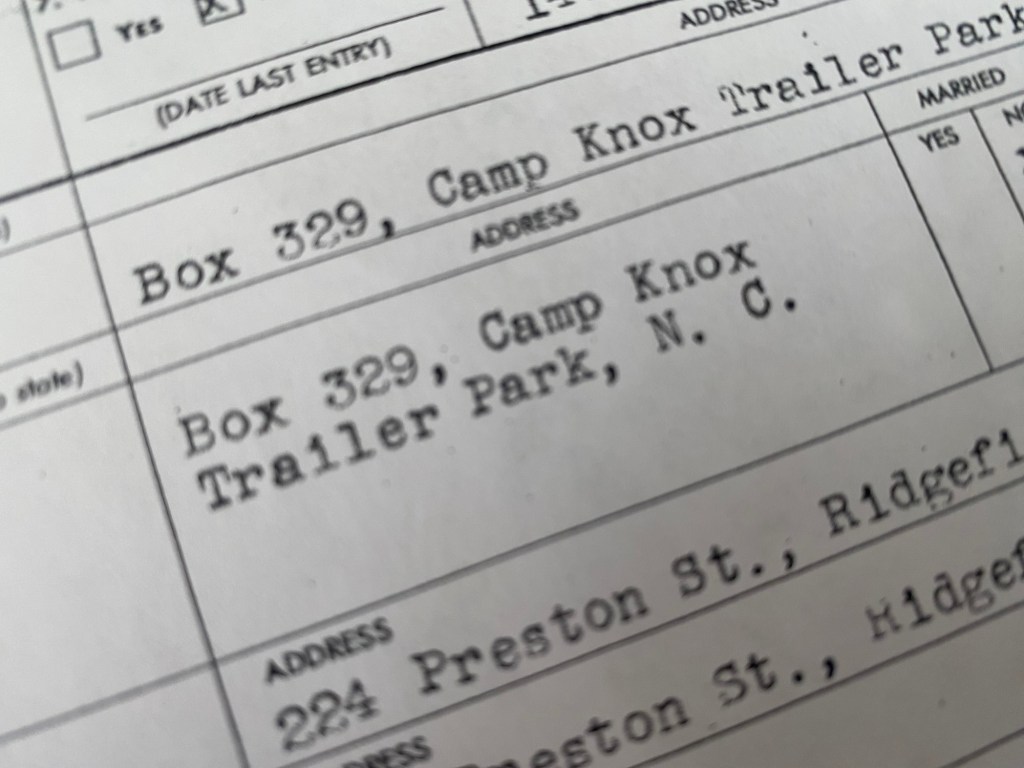
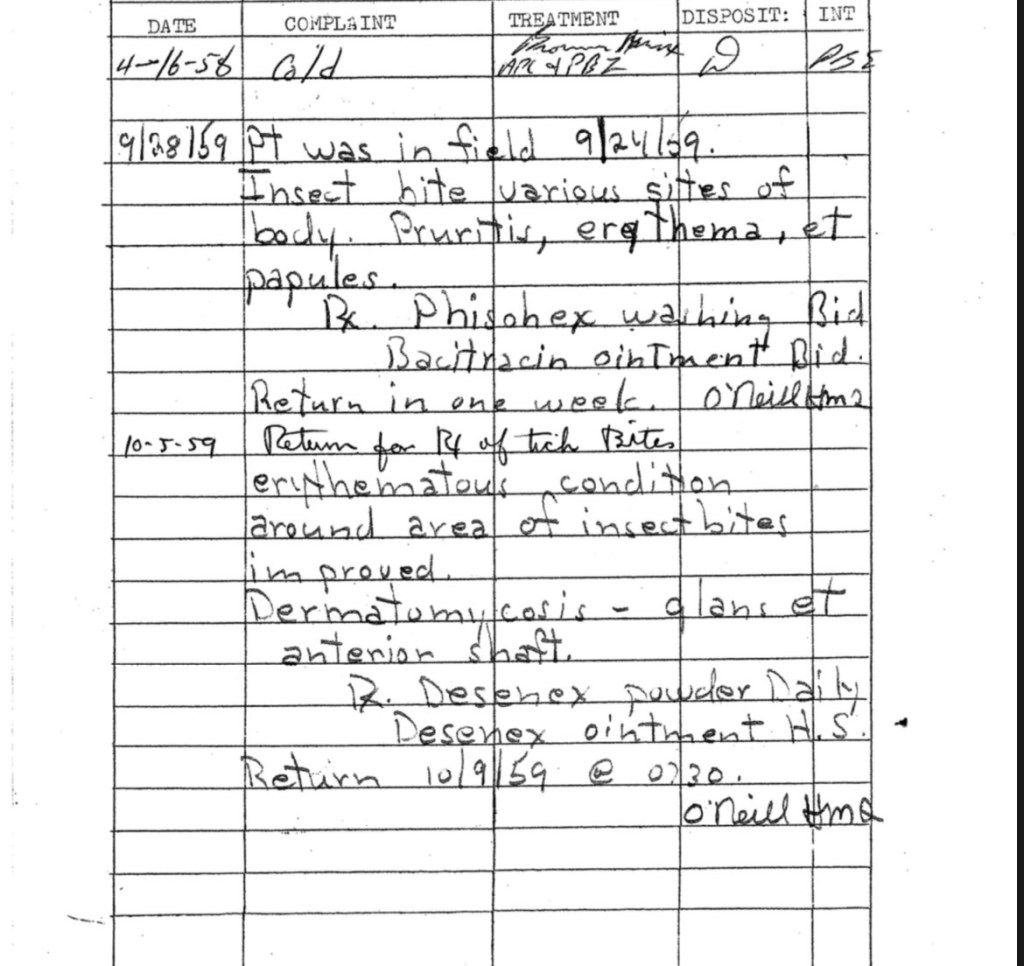
Upon returning to Camp Lejeune in late 1959 from the radioactive decks of the Mount McKinley, my grandfather was again treated for strange medical issues—including what can only be described as radiation burns to his genitals—which military physicians purposefully obfuscate in his service files by diagnosing it as a routine skin condition, dermatomycosis. This is just one of dozens of bizarrely recorded transit personnel sick call entries in his file, which I was lucky to even receive. Alongside him, 414 other Camp Lejeune soldiers aboard the ship endured identical, undocumented exposures. When these Marines returned to the tightly packed trailers of Camp Knox, they carried atomic fallout dust deeply embedded in their uniforms, canvas sea bags, and personal belongings. Due to a total lack of military decontamination protocols, these radioactive particles settled into the structural crevices of the family trailers. I theorize every time a young mother swept the kitchen floor, the invisible particles were kicked back up into the air, creating a perpetual, highly localized exposure loop. Unfortunately, this housing was quietly disposed of, and where is anyone’s guess.
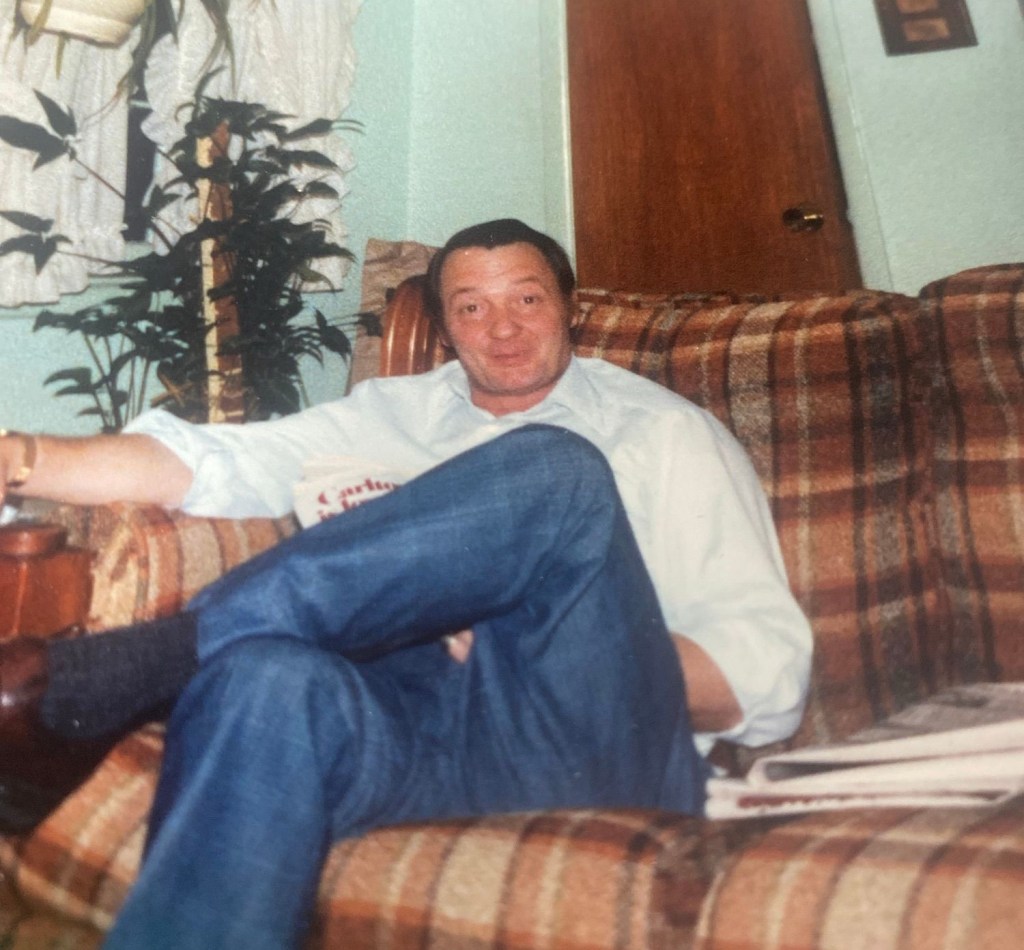
In May 1980, at just 41 years old, my Marine grandfather died suddenly of an aggressive, swift, and entirely unexplained lung cancer. His medical team was left completely baffled by his youth and the rapid onset of the terminal disease. Due to the extreme internal destruction, he was buried in a specialized, shielding casket. Fifteen years later, in December 1995, my maternal grandmother, who had managed her household inside Camp Lejeune’s contaminated plume, succumbed to breast cancer at age 57 after enduring a mastectomy, radiation, and chemotherapy. Then, the timeline caught up to my mother. In January 1999, my mom, then a vibrant 39-year-old mother of four, developed sudden, cold-like symptoms around Christmas. Within days, she struggled to catch her breath and was rushed to the emergency room. Doctors diagnosed her with Stage 4 Non-Small Cell Lung Adenocarcinoma. On January 31, 1999—just two weeks after her 40th birthday—she died. It was a clear cold night.
My family found out about this contamination entirely by accident on April 4, 2024, through civilian historical research. For decades, federal entities made zero attempts to locate or notify us, depriving my mother of early, life-saving diagnostic screenings during the 15-year window between the military discovering the toxic wells and her death. Today, we continue a brutal fight against institutional non-responses, working alongside congressional offices like Senator Richard Blumenthal’s team to force the military to finally coming clean with the full unredacted history of Camp Lejeune.
The layer of bureaucratic nonsense that compounds this history is the weaponization of the military secrecy oath. During the height of the Cold War atomic programs, every enlisted man assigned to specialized testing lines, transport groups, or proximity maneuvers was forced to sign strict, lifetime non-disclosure agreements under the threat of court-martial and treason charges. Marines were explicitly sworn to absolute silence under these mandates. They were legally forbidden from telling civilian doctors, VA hospital staff, or their own immediate family members what they had done or what hardware they had handled. For many Atomic Marines, this psychological and legal barrier remained unbroken until the day they died. This doesn’t even begin to address the guilt they must have felt for making their wives suffer though baby deaths and miscarriages.
The consequences of this enforced silence were devastatingly systemic. Because these veterans could not speak, their families remained entirely in the dark. Wives and children watched healthy men wither away from aggressive malignancies in their late 30s or early 40s, believing it was an unexplained natural medical tragedy. As a direct result, families had no baseline information to connect the deaths to military activities, completely preventing them from filing for VA disability or survivor benefits in a timely manner. By the time declassification laws slowly eased in the late 1990s, the statutory windows for many historic claim channels had slammed shut. Families were forced to bear the catastrophic financial weight of advanced oncological care, surgeries, and sudden funeral costs entirely on their own, driving widowed households into deep economic hardship. Medically, because descendants never knew their fathers or grandfathers had been irradiated, multiple generations entered civilian clinics completely unable to provide doctors with an accurate hereditary risk profile. This lack of data delayed life-saving diagnostic screenings for children who inherited compromised biological systems.
The standard play of using isolated data registries to downplay radiation risk was not invented for American servicemen; it was a refined scientific methodology with deep roots in post-World War II geopolitics. Following the detonations in Hiroshima and Nagasaki, and throughout the devastating atmospheric trials in the Marshall Islands, the federal government established the Atomic Bomb Casualty Commission (ABCC). The ABCC was explicitly tasked with monitoring the biological outcomes of heavily exposed populations. However, its institutional design was marred by a severe conflict of interest: the commission possessed a mandate to observe and gather clinical metrics from victims, but it was strictly forbidden from providing actual medical treatment.
To insulate the United States from massive geopolitical liability and accusations of war crimes, the ABCC spent decades minimizing or actively misrepresenting evidence of heritable, multi-generational genetic damage, and the American Scientific/Legal community continues to parrot these lines to this day. Commission reports routinely claimed that genetic mutations and congenital malformations among the offspring of survivors were statistically insignificant, or could be blamed on unrelated regional factors. Despite obvious anomalies, missing limbs, elevated infant mortality rates, and aggressive childhood leukemias spanning multiple generations of families in Japan and across irradiated Pacific atolls, the official baseline was intentionally kept conservative. By publishing narrow parameters that separated immediate somatic damage from long-term hereditary degradation, the ABCC established the blueprint for institutional gaslighting. This exact technique—using scientific siloing and demanding impossibly high thresholds of proof—was later imported directly into the domestic military complex, effectively neutralizing the claims of families who suffered under regional Cold War exercises.
The execution of these cover-ups relied on a highly integrated financial pipeline linking the Atomic Energy Commission (AEC), the military, elite university research labs, and the corporate medical system. This institutional syndicate operated on a massive scale through organizations like the Oak Ridge Associated Universities (ORAU)—originally known as the Oak Ridge Institute of Nuclear Studies. Established as a consortium of major research universities, ORAU functioned as the academic and logistical arm of the AEC. It worked directly alongside institutions like the University of North Carolina (UNC) at Chapel Hill, routing federal funds into radiobiology, epidemiology, and public health departments. Through these academic channels, university researchers and university-affiliated medical schools were granted unprecedented access to military personnel and institutionalized populations for the tracking of radiation data.
In North Carolina, UNC became a premier hub for radioactive isotope studies, environmental monitoring, and federal public health research. This created an unyielding conflict of interest: the university’s research departments were financially dependent on the very agency authorizing the atmospheric tests and base deployments. When military families or local civilians began presenting with abnormal oncological profiles or rare congenital defects, the diagnostic reports were quietly absorbed into ORAU’s centralized registries rather than being disclosed as environmental hazards. This system of academic corporate sponsorship ensured that the medical elite provided scientific cover for state operations, turning universities into gatekeepers of data designed to insulate the military from liability while maintaining the continuous flow of federal research grants.
This culture of academic obscurantism was thoroughly codified within prestigious medical journals and the wider scientific establishment. Peer-reviewed literature from that era routinely served as an instrument to conceal data from the very populations affected by state-sponsored testing. Independent findings regarding the overlapping hazards of radiation and synthetic chemicals were frequently blocked from publication, heavily redacted, or presented in deliberately dense, highly abstracted jargon to prevent non-academic readers from connecting the science to their own failing health. Medical journals published studies using heavily manipulated control groups, often funded directly through AEC and military avenues, to maintain that low-dose ionizing exposures presented no viable health risks. This coordinated academic obscurity meant that while statisticians were compiling data on deteriorating military personnel for state archives, the veterans and their dependents were systematically denied access to the basic diagnostic conclusions necessary to understand why they were dying.
The structural ethics of this apparatus draw an undeniable, terrifying parallel to the Tuskegee Syphilis Study. The ideological blueprint is identical: a state-funded medical and military hierarchy deliberately identifies a vulnerable, working-class cohort, subjects them to a profound, life-altering pathology, and then chooses to systematically withhold both the definitive data and available treatments to observe the uninterrupted trajectory of physical degradation. In Tuskegee, doctors with the U.S. Public Health Service tracked the lethal progression of a disease while intentionally lying to Black participants about their condition. In the atomic complex, the AEC, the ABCC, and university networks tracked the cellular degradation of servicemen while hiding their actual dose reconstructions and toxic water data behind classification codes. In both scenarios, the state treated the human body not as a subject for healing, but as a biological asset to be monitored until death, actively choosing to prioritize the extraction of long-term data over the basic preservation of human life.

This calculated clinical detachment was further corrupted by an undercurrent of racial experimentation within early nuclear planning. During high-level tactical deliberations in the late 1940s and 1950s, researchers within the AEC and military medical branches sought to determine whether Black or Hispanic personnel possessed a higher physiological tolerance to atomic detonations, flash blindness, and secondary thermal radiation than their white counterparts. Enlisted echelons were intentionally organized into diverse maneuver units during atmospheric exercises, allowing on-site medical observers to record comparative somatic data, skin-blistering thresholds, and hematological declines across different racial lines. These operations were designed to extract racial metrics for the defense shield, weaponizing the bodies of minority service members to evaluate biological durability under mushroom clouds without their knowledge, establishing a legacy where institutional exploitation was directly dictated by class and race.

The co-opted medical architecture of the era worked hand-in-glove with local legal mechanisms to ensure that the physical remains of multi-exposed personnel never triggered public exposure findings. During the mid-20th century, the advent of mandated autopsies in North Carolina under specific, state-controlled medical-examiner frameworks gave the military-industrial complex unprecedented control over deceased servicemen. Whenever an active-duty Marine or a young veteran died under highly suspicious, rapid oncological conditions or showed signs of acute, localized internal damage, the state-mandated autopsy protocols bypassed local, independent civilian mortuaries. Instead, the remains were routed through tightly controlled pathways involving military medical facilities or regional academic centers like UNC, which were heavily dependent on AEC, ORAU, and Department of Defense funding. Pathologists working within these co-opted networks conducted the post-mortem examinations under strict national security guidelines, selectively archiving tissue samples for federal radiation tracking while classifying the official cause of death under generic, natural medical terms like pneumonia or cardiac arrest. By legally mandating that these bodies remain within the custody of state-vetted examiners, the bureaucracy successfully intercepted the raw anatomical evidence of radiation or chemical destruction, ensuring that independent civilian pathologists could never document the physical truth and that grieving families were handed a thoroughly sanitized certificate of death. I learned my own grandfather was buried in a 16 gauge shielding casket, unbeknownst to our family. This was before the funeral home stopped taking my calls.
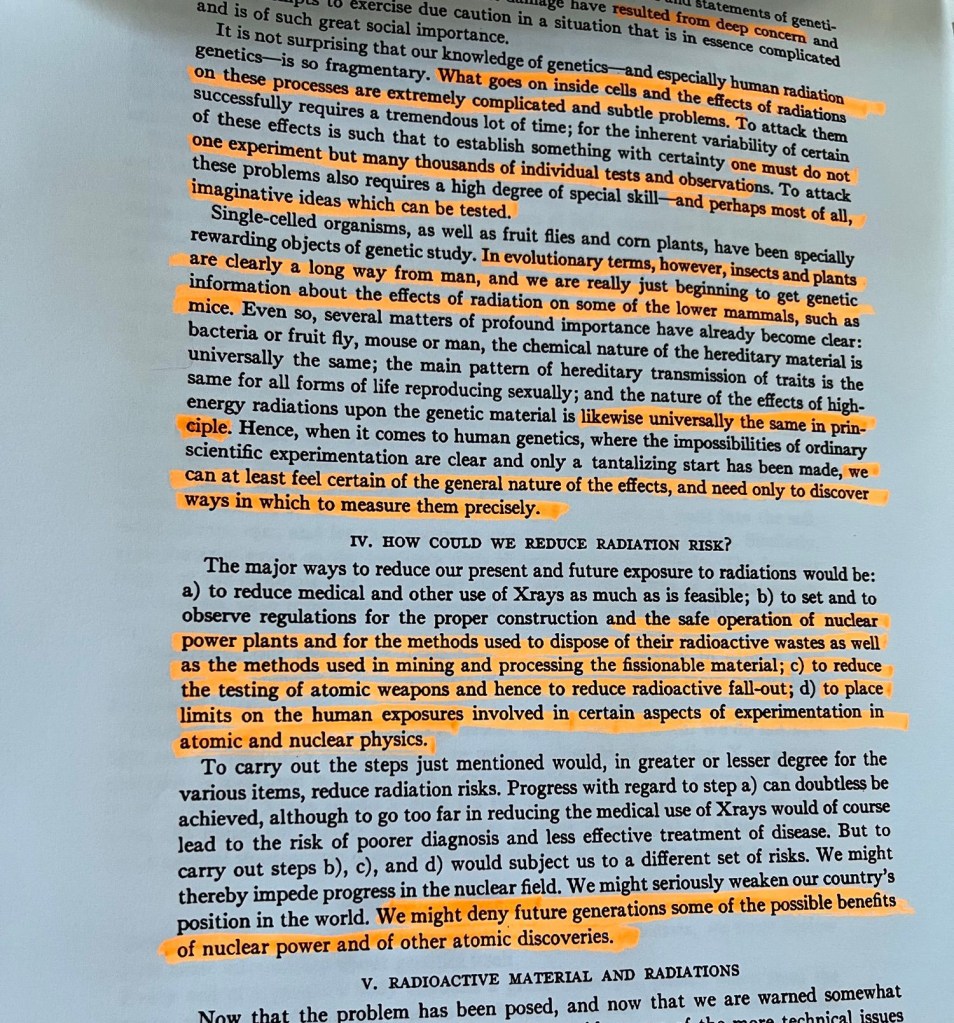
The sheer callousness of this methodology is laid bare in the unclassified transcripts of early, high-level meetings between military command and Atomic Energy Commission officials. During a debate in the 1950s regarding the safety thresholds of atmospheric test exposures and the inevitable hazards faced by the maneuver troops ordered to march into fallout zones, an official bluntly summarized the state’s calculus, noting that it was “Now we are very much interested in long-term effects, but when you start thinking militarily of this, if men are going out on these missions anyway, a high percentage is not coming back, the fact that you may get cancer 20 years later is just of no significance to us.” This chilling perspective exposed the underlying truth of the entire testing program: the military viewed the immediate physical degradation of lower-ranking personnel as an acceptable, minor cost of business. They operated under the assumption that a two-decade delay between the exposure and the onset of terminal illness would provide the state with plenty of time, distance, and bureaucratic plausible deniability to successfully sever the link between service and death.
This erasure strategy has evolved aggressively into the digital age, expanding into a systematic digital scrubbing of the modern internet. For descendants trying to research the localized details of Marine Corps atomic activities, weapons-handling detachments, and specialized maneuvers conducted between 1953 and 1962, the public web offers an engineered void. Standard search indices have been meticulously filtered, resulting in an engineered dearth of primary source data, detailed muster rolls, and historical unit logs for this exact nine-year window. While generalized summaries of high-profile atmospheric tests remain accessible, any granular documentation tracking the day-to-day movements of specific East Coast battalions, maritime nuclear trials, or regional transport groups is entirely absent. This information-retention vacuum is created through targeted algorithmic filtering, selective archive de-indexing, and the strategic omission of specific Cold War era records from public-facing military repositories. Federal agencies utilize strict web-governance protocols to ensure that digitized historical collections remain heavily sanitized, effectively wiping out the breadcrumb trails that could allow independent researchers or civilian medical teams to reconstruct overlapping exposure timelines. By keeping these operational links entirely off the internet, the state successfully prevents the formation of connected veteran communities online, ensuring that individual family inquiries remain isolated, unverified, and buried beneath a wall of algorithmically enforced silence.
This multi-decade suppression depends entirely on a series of deliberate, ongoing administrative “dirty tricks” designed to systematically scrub the historical record and leave families empty-handed. When a veteran’s descendant submits a FOIA request today, the military doesn’t always issue a blunt denial; instead, they deploy weaponized incompetence and procedural attrition. Agencies frequently respond with standard “no records found” letters, relying on the fact that individual unit deployment logs to testing installations like Edgewood or Fernald were kept on loose-leaf paper, left unsigned, or deliberately categorized under generic non-descript training labels to hide the personnel footprints. If specific records do exist, they are routinely routed through an exhausting circuit of different departments—shuffling requests from the National Personnel Records Center to the Department of the Navy, then to the Defense Threat Reduction Agency—ensuring that families are trapped in an endless loop of bureaucratic finger-pointing until they run out of resources or give up out of pure exhaustion.
Furthermore, the military heavily relies on the convenient legacy of the 1973 National Personnel Records Center fire in St. Louis. Whenever a file becomes too problematic or exposes too much overlapping liability, clerks routinely claim the veteran’s records were completely destroyed in that fire, using a historical accident as blanket cover to erase any evidence of participation in classified programs. Even when files survive, the modern military selectively redacts key operational codes, shielding manifests, and specific decontamination orders under the guise of “national security,” ensuring that the true dose reconstructions remain hidden. They are aware that if they admit to a single veteran’s presence on those radioactive decks or inside those experimental trenches, the financial and moral liability would shatter the institutional shield they have spent seventy years constructing.
The cynicism of this defense reaches far beyond simple records destruction; it shapes the very scope of what the government chooses to investigate. Once internal actors realized they had completely crossed the line and that public containment was failing—knowing that the evidence of mass chemical poisoning and radioactive overlap was too severe to fully suppress—the official strategy adapted. Rather than openly admitting the full magnitude of the failure, the administrative state quietly pivoted to structure the legal and medical fallout. Bureaucrats prepared behind closed doors to begin looking “in earnest” for a wide range of outside civilian carcinogens, industrial byproducts, and minor off-base exposures. The human intent behind this sudden pivot was calculated: if federal investigators could aggressively map out and blame an array of alternative domestic chemicals, regional dry cleaners, or localized water anomalies, they could successfully dilute the legal connection to the military’s own operations. They began hunting for other poisons not to protect human health, but to construct a massive web of plausible deniability, hoping to scatter the blame and escape the crushing liability of what they had done to these families.
The double standard of domestic data management is best highlighted by the Million Person Study on Radiation. The MPS is a massive, multi-decade epidemiological initiative explicitly funded to evaluate the long-term health risks of gradual, low-dose radiation exposure among healthy American workers and nuclear weapons test participants. The government possesses precise, granular data models detailing what radiation does to human organs over time. Yet, during the late 1970s and 1980s—the exact era when the first wave of heavily exposed Cold War veterans began dying—the military utilized a process of aggressive data cleaning. Individual radiation film badges from mid-century tests were routinely logged as lost or labeled unreliable, erasing the physical proof of exposure. When veterans who had experienced both atomic testing and Lejeune’s chemical plume fell ill, their medical profiles were frequently categorized as statistical outliers and excluded from final public health reports to keep the resulting data from looking catastrophic.

The systematic scrubbing and compartmentalizing of this history does not simply shield the state from financial liability—it inflicts profound, ongoing damage on both modern medical science and the living descendants of these Marines. When the military and federal registries deliberately isolate data pools, they commit a severe disservice to the broader medical community. By legally and statistically pretending that chemical exposure and radiological exposure exist in separate, vacuum-sealed bubbles, they actively prevent oncologists and epidemiologists from understanding the true nature of synergistic oncogenesis—the way toxic solvents and radiation interact to aggressively accelerate cell mutation. Because clinical data from these hundreds of thousands of multi-exposed personnel has been systematically suppressed or categorized as anomalies, modern medicine is left blind. Physicians treating civilian populations exposed to industrial Superfund sites or localized radiation are denied access to decades of valuable epidemiological mapping. The cover-up forces the medical community to operate with an incomplete playbook, directly slowing down the discovery of targeted diagnostic frameworks for aggressive, early-onset cancers.
Underneath the medical jargon and national security classifications lies a stark, unyielding class disparity that defines who bore the injuries of the nuclear age and who reaped the financial rewards. The humans who were ordered into the toxic trenches of Desert Rock, packed onto radioactive ship decks, or assigned to housing units with contaminated plumbing were overwhelmingly working-class service members. These enlisted Marines, often coming from low-income rural towns or industrialized cities, looked to military service as a pathway to stability, a trade, or an education. Instead, they were used as cheap, disposable labor to maintain a geopolitical defense shield. When they got sick or died, their families were left to drown in catastrophic out-of-pocket medical bills, lost wages, and early funeral costs, often driving widowed households into generations of economic hardship. They paid for the Cold War with their lives, their genetic health, and their financial survival.
This multi-generational degradation is rooted in robust scientific evidence of how environmental trauma physically fractures families across generations. In epidemiology and molecular biology, the transmission of ancestral trauma is no longer viewed as an abstract concept; it is mapped directly through the mechanics of epigenetic inheritance. Compounding studies on transgenerational toxicity demonstrate that parental exposure to ionizing radiation and volatile organic solvents alters the molecular structure of the germline—the eggs and sperm. Epigenetic modifications, such as DNA methylation and histone alterations, permanently alter gene expression patterns without shifting the underlying genetic code. When a service member is irradiated or chemically poisoned, these altered molecular markers are passed directly down the lineage, pre-programming descendants for severe immune dysregulation, elevated reproductive failures, and rare, early-onset malignancies. Furthermore, this biological destruction is profoundly accelerated by maternal and in utero stress pipelines. Neurobiological research verifies that severe, unresolved parental trauma triggers a persistent hyper-activation of the hypothalamic-pituitary-adrenal (HPA) axis, permanently flooding the intrauterine environment with high concentrations of maternal stress hormones like cortisol. For a developing fetus, this biochemical saturation permanently alters the neuroendocrine blueprint, compromising the child’s cellular resilience from birth. The scientific reality of this multi-generational loop means that families are forced to bear a compounding physiological debt. The physical environment of a military base acts as a direct molecular catalyst, fracturing familial structures from the inside out and leaving descendants to carry the cellular weight of an unacknowledged Cold War legacy.
Meanwhile, the entities and contractors that designed, manufactured, and profited from this unchecked weapons race operated in a completely different world. Private industrial giants, chemical manufacturers, and defense contractors secured massive, multi-million-dollar government contracts to develop volatile solid rocket fuels, high-yield nuclear delivery systems, and the very degreasers that eventually saturated Camp Lejeune’s wells. While these corporate boards and executive shareholders enjoyed immense financial windfalls, insulation from liability, and top-tier healthcare, the working-class families on the ground were left to sweep invisible fallout dust from their kitchen floors. This vast economic divide is explicitly preserved today by a legal and political apparatus that uses procedural attrition to delay restitution. The corporate profits generated from these operations remain safely locked away in private trust funds, while the families who were systematically poisoned are forced to fight an exhausting, multi-decade battle against institutional roadblocks just to secure recognition for their dying loved ones.
The catastrophic fallout of this institutional legacy extends far beyond physical deterioration and financial devastation; it leaves a wake of profound emotional destruction that systematically tears families apart from the inside out. When the military poisons its own personnel and imposes mandatory silence, it alters the fundamental mechanics of family survival. Spouses are forced to witness the terrifyingly rapid, unexplained decline of healthy young partners, navigating a medical labyrinth entirely blind to the toxic root causes. The constant stress of balancing multiplying out-of-pocket healthcare expenses with the impending loss of a household’s earner introduces an undercurrent of economic panic. Children are raised in households dominated by a looming presence of grief, fear, and trauma. They watch their parents die young of aggressive malignancies, inheriting a legacy of emptiness where structural support and guidance should have been. This environment fragments generational continuity, robbing descendants of their foundational support systems right when they reach their most vulnerable life milestones. Because the true environmental causes are locked behind classified walls, surviving family members are left with no logical narrative, left to turn their immense frustration inward. The institutional cover-up robs families of their peace, replacing safety with a permanent baseline of hyper-vigilance, and forcing each succeeding generation to bear the inherited weight of a tragedy they were never supposed to understand.
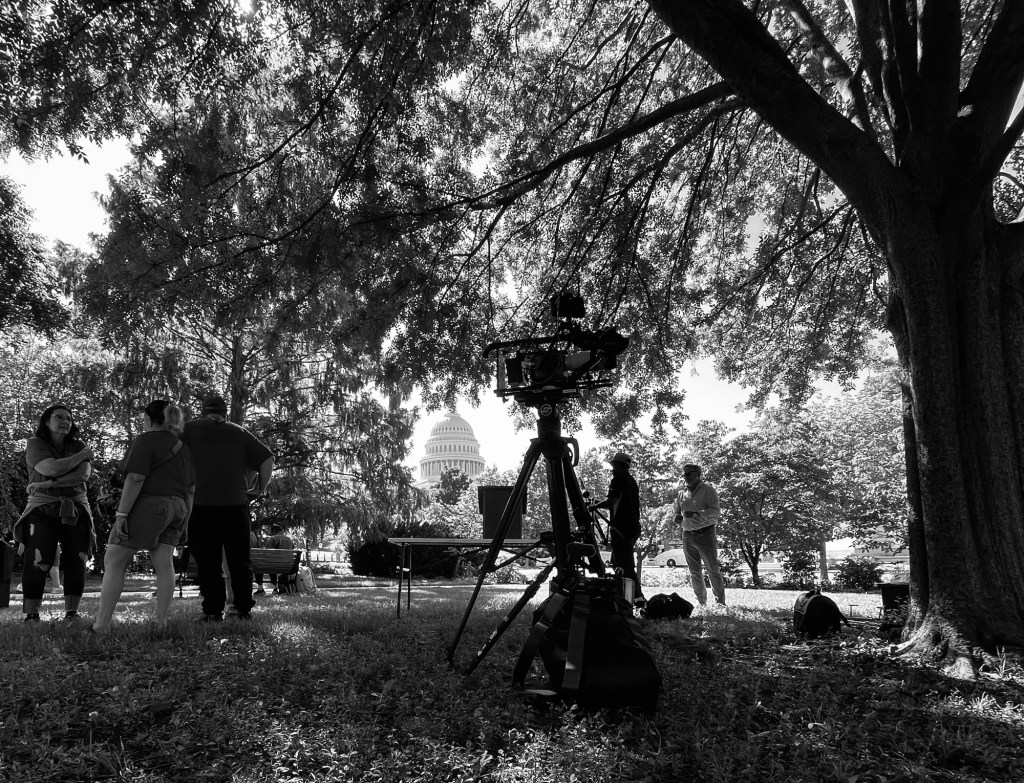
To maintain a manageable public narrative, federal entities have fought to frame the Camp Lejeune disaster strictly as a localized, corporate accident involving a single unaffiliated leaky off-base dry cleaner. This highly sanitized narrative purposefully omits the base’s historical radiological footprint—a pattern of systemic institutional pollution that independent media continues to unearth. In her investigative feature documentary, Earth’s Greatest Enemy, filmmaker Abby Martin directly targets the Pentagon as the world’s most unaccountable institutional polluter. Martin’s film chronicles the legacy of Camp Lejeune, mapping out how the military poisoned its own groundwater, covered up the resulting cluster data, resulting in death of the military and their families. This systematic destruction of local ecosystems—ranging from the chemical plumes of North Carolina to the toxic battlefields of Iraq and fuel leaks at Hawaii’s Red Hill—demonstrates a broader global reality of military environmental abandonment.
The human cost of these decisions is visible in the ongoing gridlock within the federal court system. Fewer than 3% of the 400,000 administrative claims have been cleared for early settlement tiers due to severe logjams at the DOJ level. This legal gridlock finally forced a four-judge federal panel to step in and issue an ultimatum, ordering a mass global settlement framework by October 30, 2026, to prevent the litigation from dragging on for centuries. The timeline reveals that while the personnel who authorized the burials in the 1950s are gone, the bureaucratic framework is still actively managed by individuals who use technicalities and stall tactics to minimize exposure. For the hundreds of thousands of family members who watched their loved ones die inexplicably young deaths under the worst of circumstances, often after multiple bouts of cancer, the math remains painfully clear—even if the official record was engineered to stay vague.
When viewed through a suspicious lens, the decision by the Agency for Toxic Substances and Disease Registry (ATSDR) to utilize Camp Pendleton as the unexposed control group for the Camp Lejeune health studies can be construed as a sinister attempt to systematically neutralize statistical evidence of military toxicity. In epidemiology, a true control group is supposed to represent a pristine baseline free from contamination. By intentionally choosing Camp Pendleton—a massive West Coast installation with its own severe history of industrial contamination and an even more robust legacy of atomic weapons training—the government effectively compared one heavily poisoned population against another. This calculated methodology served to artificially inflate the baseline disease and mortality rates of the control group, which naturally shrank the statistical “spike” of cancers and birth defects reported at Camp Lejeune. Consequently, the true, catastrophic impact of Lejeune’s contaminated water system was statistically masked, making horrific anomalies appear within a “normal” military range. Furthermore, the ATSDR exploited Pendleton’s heavy atomic history, weaponizing its hidden environmental fallout and chlorinated solvent plumes to shield the Department of Defense from multi-billion dollar legal liabilities. Ultimately, matching the two bases under the guise of identical demographics provided a veneer of scientific rigor, hiding a bureaucratic sleight of hand that rigged the study’s foundation from the start.

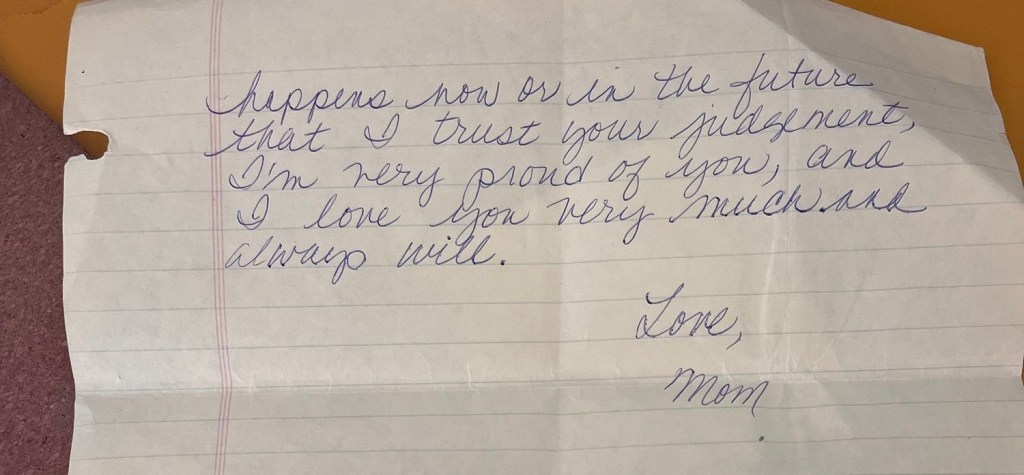
This calculated institutional malfeasance crashes straight into the fragile realities of human life. In January 1999, an unplanned pregnancy left me facing a difficult path alone. My mother became my entire support system, promising to help me raise my child. Even as Stage 4 lung cancer consumed her, she continually tried to convince me she would be around to meet my daughter, due that June. She tried to be strong for me, knowing what it meant to lose a father during her own pregnancy two decades earlier. Throughout her hospitalization, she made a point to tell every doctor treating her that I was carrying her grandchild. Understanding the existential weight of the situation, my OBGyn, Dr. Vodra, and the floor nurses took it upon themselves to arrange my 20-week ultrasound directly at Waterbury Hospital, wheeling my mother down in her hospital bed so she could hold my hand. We found out we were having a girl, which was my hope—I wanted to be the type of mother to my daughter that my mom had been to me. The technician printed a long loop of little ultrasound photos for her, which she proudly hung on her hospital wall for the staff to see. In retrospect, the room was filled with a heavy undeniable acknowledgement of the crossover between life and death. The nurses were tearing up, but I stubbornly held out hope that this was all just an awful mix-up. My mother died on January 31, two weeks after her 40th birthday. Today, that memory remains permanently bound up with the poison of a hidden Cold War legacy, a generational reminder of why we continue to fight the military’s wall of silence for the basic truth we deserve.
Sources & Endnotes
- Grandfather’s Unknown Whereabouts (1956–1957) & The Million Person Study Registry: Family documentation of the target 14-month service gap, and corresponding federal data sets tracking 20th-century radiation personnel archived via the Million Person Study Official Site.
- The Loss of the Firstborn Baby (1957) & EPA Superfund Reports: Verification of the 1957 death of David Rohlfs at 14 weeks, juxtaposed against historical EPA files tracking the 1980 Strontium-90 dog carcass trench excavations at Camp Lejeune via the Society of Environmental Journalists (SEJ) Archive.
- Ancestry.com Infant Death Certificates & The Camp Lejeune Justice Act Litigation Status: Macro-level Onslow County death registries analyzed alongside federal court orders, fee caps, and the mandatory October 30, 2026 global settlement deadline documented by the U.S. Department of Justice Civil Division.
- Camp Lejeune Base Housing Placement (1957) & VA Presumptive Conditions Criteria: Marine Corps transfer logs assigning the family to Camp Knox Trailer Park space #326, cross-referenced with health milestones evaluated by the U.S. Department of Veterans Affairs Public Health Exposure Registry.
- The Birth of Jaimee Rohlfs (1959) & The Jessica Allen Testimony: Historical data and personal timeline details recorded in “Family of Origin: Unknown” via Camp Lejeune Contamination Stories.
- USS Mount McKinley (AGC-7) Deployment (1959) & Congressional Correspondence: Official tracking of your grandfather’s service as a shipboard wireman during the Beirut operation, compiled from official legal correspondence submitted to federal agencies.
- USS Mount McKinley’s Atomic Testing Flagship Logs: Technical records detailing the vessel’s presence at Operations Crossroads, Sandstone, and Redwing archived via the Naval History and Heritage Command (DANFS) Archive and GovInfo’s Operation REDWING Technical Report (DNA-6032F).
- The Historical Record of the Atomic Marines: Regional historical accounts of Desert Rock IV and V troop training networks archived by the Carolina Museum of the Marine.
- North Carolina Vital Statistics Archive: General structural patterns of Onslow County infant mortalities (1953–1987) accessible via Ancestry.com Institutional Records.
- The Grandfather’s Death (May 1980): Death profile tracking his swift lapse to lung cancer at age 41, culminating in his placement within a specialized shielding casket.
- The Grandmother’s Death (December 1995): Death record of the grandmother’s lapse to extensive breast cancer at age 57 after decades of living inside the base housing chemical plume.
- The Mother’s Death (January 31, 1999): Oncological treatment profile tracking Jaimee Rohlfs’ sudden death from Stage 4 Non-Small Cell Lung Adenocarcinoma at age 40, just two weeks after her birthday.
- Marine Corps Base Quantico Detachments: Historical deployment rosters tracking the unmonitored atomic courier and security lines detached from Quantico.
- Atlantic Maritime Component Trials: Post-war naval task group logs archiving amphibious tests of atomic delivery configurations conducted in open Atlantic sectors.
- Operation Tumbler-Snapper Personnel Statistics (May 1, 1952): JTF-7 muster registries tracking the 1,950 total Marines (including 1,000 Lejeune infantrymen) assigned to “Shot Dog” maneuvers in the Nevada desert.
- Operation Upshot-Knothole Personnel Statistics (April 18, 1953): Exercise Desert Rock V data logging the deployment of approximately 2,000 Camp Lejeune Marines from the 1st Battalion, 8th Marines to “Shot Badger.”
- *Earth’s Greatest Enemy* Film Documentation: Investigative project blueprint by filmmaker Abby Martin via The Frida Cinema Archive.
- Atomic Bomb Casualty Commission Historical Records: Institutional analyses tracking the ABCC’s post-war non-treatment mandates, data suppression strategies, and Pacific atmospheric fallout mitigation reviews archived by the National Academies of Sciences, Engineering, and Medicine Archive.
- Edgewood Arsenal Human Experimentation Subject Manifests: Historical rosters and Department of Army records detailing the unmonitored exposure of enlisted personnel to non-therapeutic chemical and radiological testing criteria archived via the National Research Council (US) Committee on Toxicology.
- Fernald Environmental Impact & Remediation Logs: Environmental Protection Agency (EPA) historical project indices documenting uranium processing fallout tracking and structural soil plume contamination.
- Fort Meade Electronic & Structural Operations Manifests: Intelligence command records detailing the logistical movements and staging profiles of Cold War technological divisions.
- NPRC 1973 Fire Documentation & Record Deconstruction Tactics: National Archives administrative reports outlining the scope of burned military service records and the subsequent development of agency dose-reconstruction metrics.
- Atomic Energy Commission Transcripts & Desert Rock Briefings: Mid-century administrative transcripts tracking safety policy deliberations regarding tactical military exposure maneuvers.
- Agency Assessment Strategy Directives: Public health and agency strategy registries tracking the intentional redirection of toxic epidemiological cohorts to alternative non-military industrial source parameters.
- Transgenerational Toxicity & Epigenetic Inheritance Literature Index: Comprehensive biomedical review profiles assessing DNA methylation alterations and germline mutations resulting from ancestral environmental toxicant exposures.
- Operation Paperclip Scientific Placement Ledgers: Joint Intelligence Objectives Agency (JIOA) archives detailing the post-war research assignments of imported chemical weapons specialists and aerospace medical researchers.
- AEC University Contract & Grant Fiscal Registries: Financial audit logs itemizing mid-century atomic funding pipelines to university radiobiology research and university-affiliated medical center networks.
- North Carolina Medical Examiner Statutory Amendments: Historical legislative records tracking the state’s transition to centralized, mandated autopsy protocols under state-controlled forensic paths.
- Defense Web-Governance Indexing Directives: Search engine optimization and algorithmic filtering guidelines managing the public search visibility of mid-century tactical troop movement files.
- Oak Ridge Associated Universities (ORAU) Institutional Grant Ledgers: Historical database inventories tracking consortium research agreements, data routing codes, and academic partnerships connecting the AEC to civilian medical networks.
- University of North Carolina Radiobiology Contract Files: Archival tracking indices detailing specialized mid-century grants, personnel data-sharing pipelines, and toxicological tracking profiles sponsored under AEC university initiatives.
- Historical Archives of the Tuskegee Syphilis Study: Records tracking data gathering, non-treatment mandates, and strategic diagnostic withholding archived via the Centers for Disease Control and Prevention (CDC) National Center for HIV, Viral Hepatitis, STD, and TB Prevention.
- Joint Task Force Radiological Durability Manifests: Cold War military-medical research indices tracking comparative physical thresholds and somatic variance across integrated atmospheric maneuver cohorts.

